
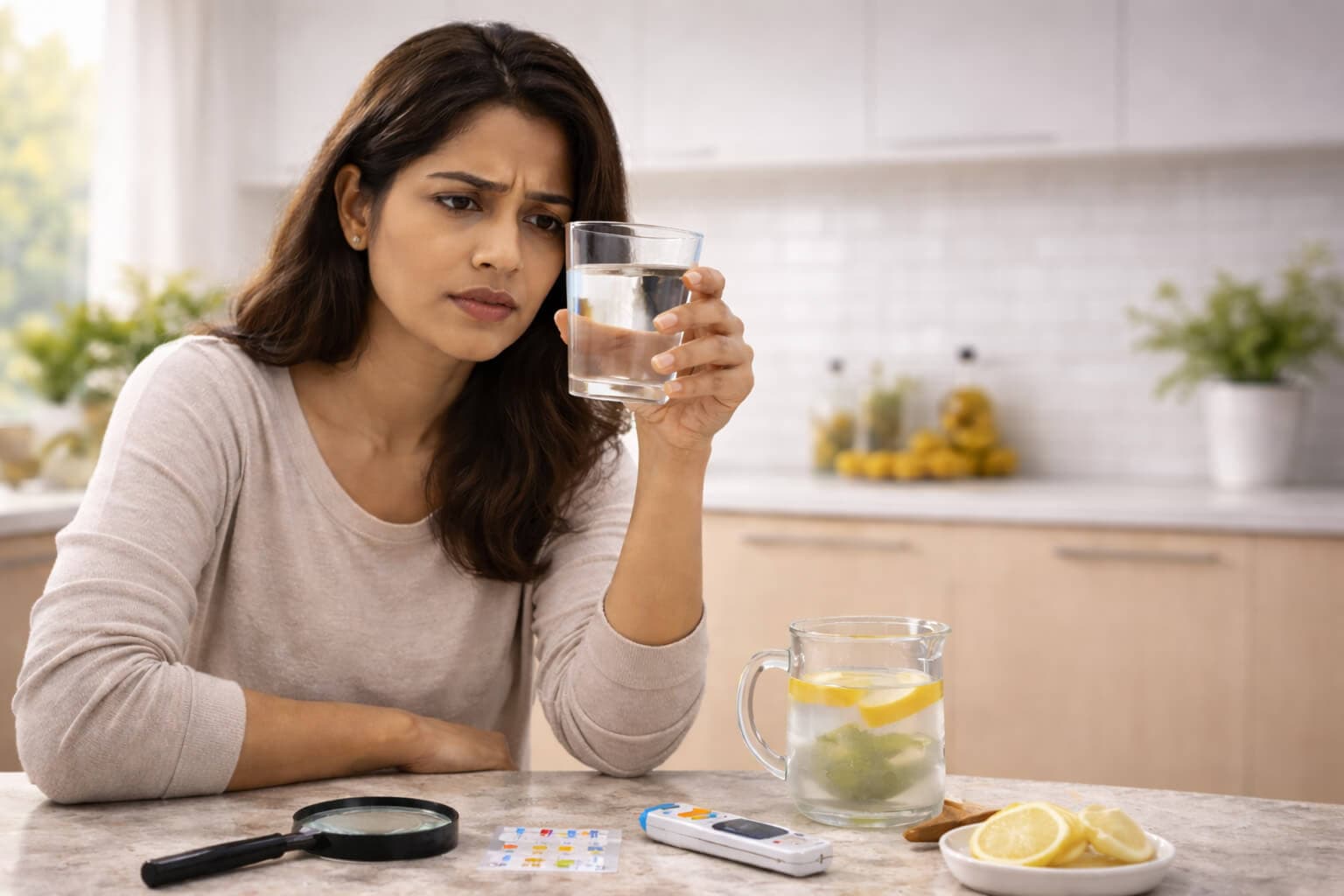
Why clear water can still be unsafe
Many people assume that if water looks clear, it must be safe. Unfortunately, that is not always true. Some water problems are visible, but many are not. Microbiological contamination, poor handling, and storage issues are not always obvious to the eye.
This is why homes should think beyond appearance. A safe source, cleaner handling, and good storage practices all matter if you want confidence in your everyday drinking water.
What households should pay attention to
There are a few practical signs that help households judge whether their drinking-water setup feels dependable. Taste, odor, and visible cleanliness matter. So does how the bottle or container is handled and stored once it reaches the home.
If water is left open, exposed to direct sunlight, placed near cleaning chemicals, or poured through unclean dispensers, the home can introduce problems even after delivery.
- Check whether the water tastes and smells normal
- Keep bottles and dispensers clean
- Store water in a cool, clean indoor place
- Avoid leaving bottles open or loosely covered
Why storage and dispenser hygiene matter
Safe water can lose its quality if storage is poor. Dispensers and bottle stands should be kept clean, and touching the bottle opening unnecessarily should be avoided. Small home habits can make a big difference over time.
Families with children, elderly relatives, or guests often need extra consistency in their drinking water. That makes good storage and reliable refill service even more important.
How to build a safer home routine
A good home routine is simple: choose a dependable source, keep the water area clean, and replace refills on time. It is easier to maintain quality when the system is practical and regular rather than improvised.
If your home consumes water daily, a steady refill routine usually works better than last-minute solutions. It reduces gaps, helps keep the setup organized, and gives the household more confidence in what they are drinking.
Is clear water always safe water?
No. Water can appear clear and still have quality issues that are not visible.
Can home storage affect drinking-water safety?
Yes. Clean dispensers, proper sealing, cool storage, and careful handling all help protect water quality.
What is the easiest safety improvement for most homes?
Choose a dependable source and keep a cleaner, more consistent storage and dispenser routine.